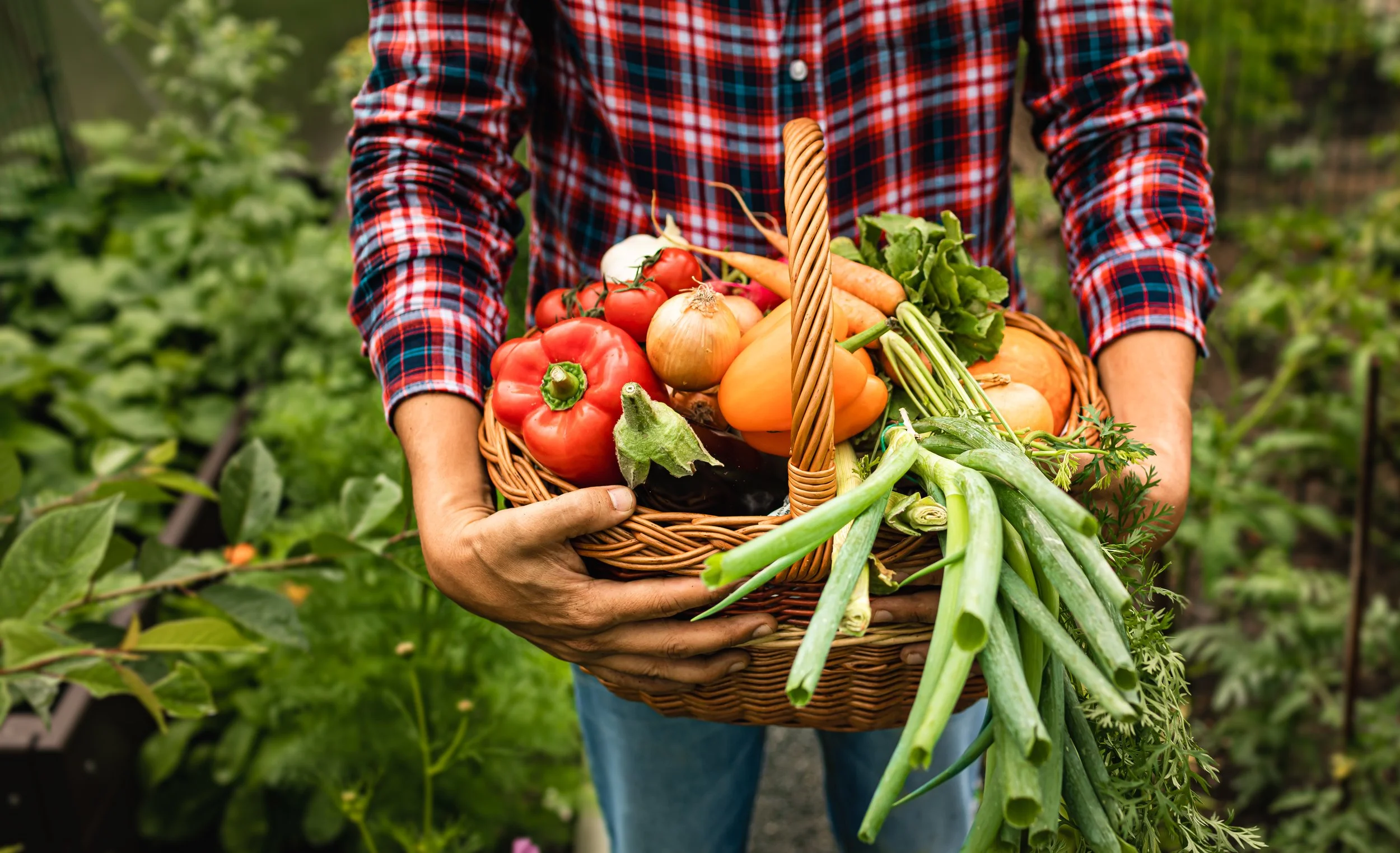
The Dance of the Harvest—Eating with the Rhythm of the Season
There is an innate wisdom in eating with the seasons—one that our ancestors followed not as a culinary trend but as a way of life. Summer’s fruits are hydrating and light, offering relief from the sun’s unrelenting warmth. Autumn’s vegetables are sturdy, grounding, and rich, preparing us for the colder days ahead.
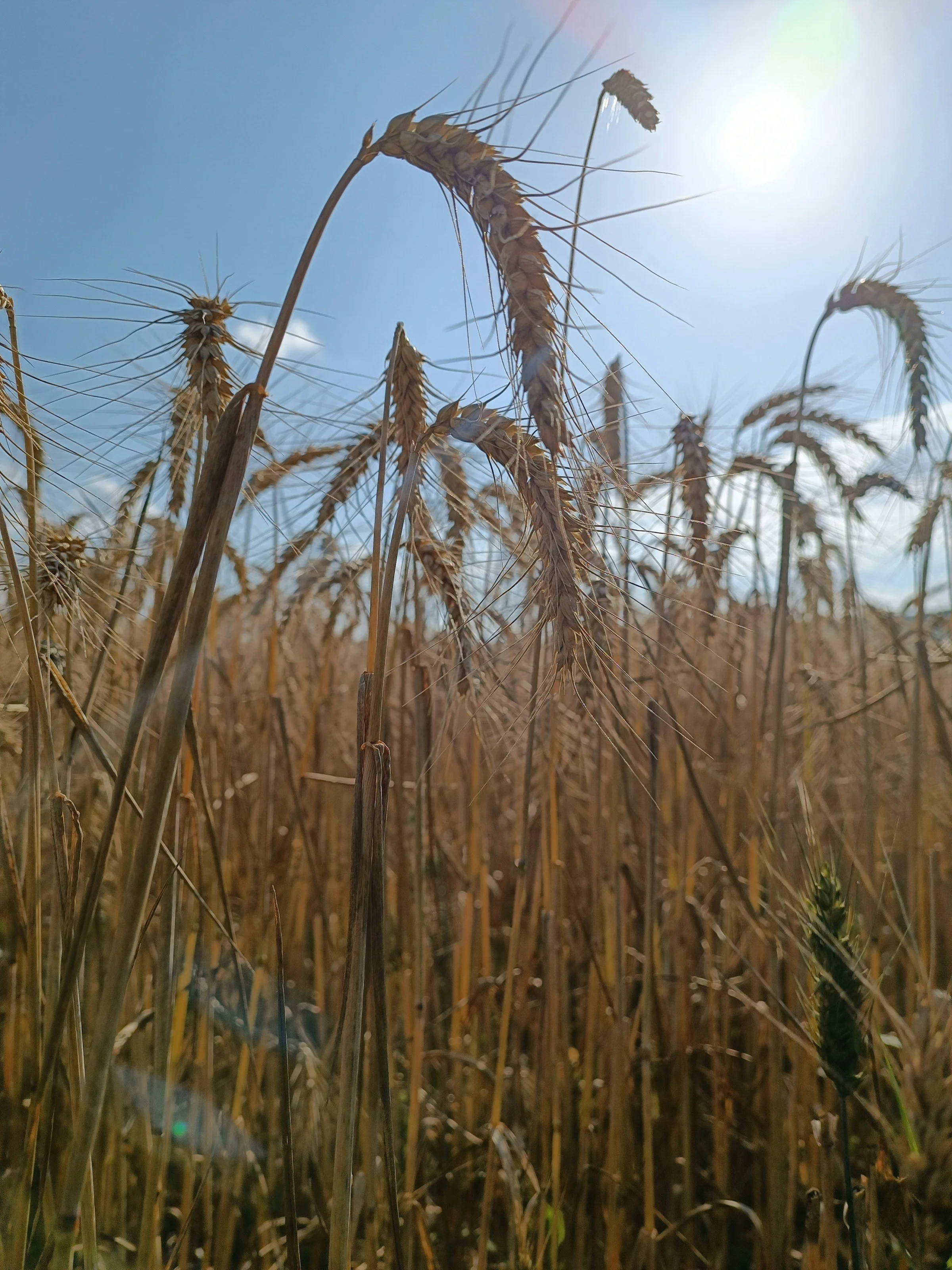
Managing Heat Stress for Late-Season Crops
The intense heat, prolonged sun exposure, and variable water availability present challenges that, if not properly managed, can negatively impact yield and crop quality.
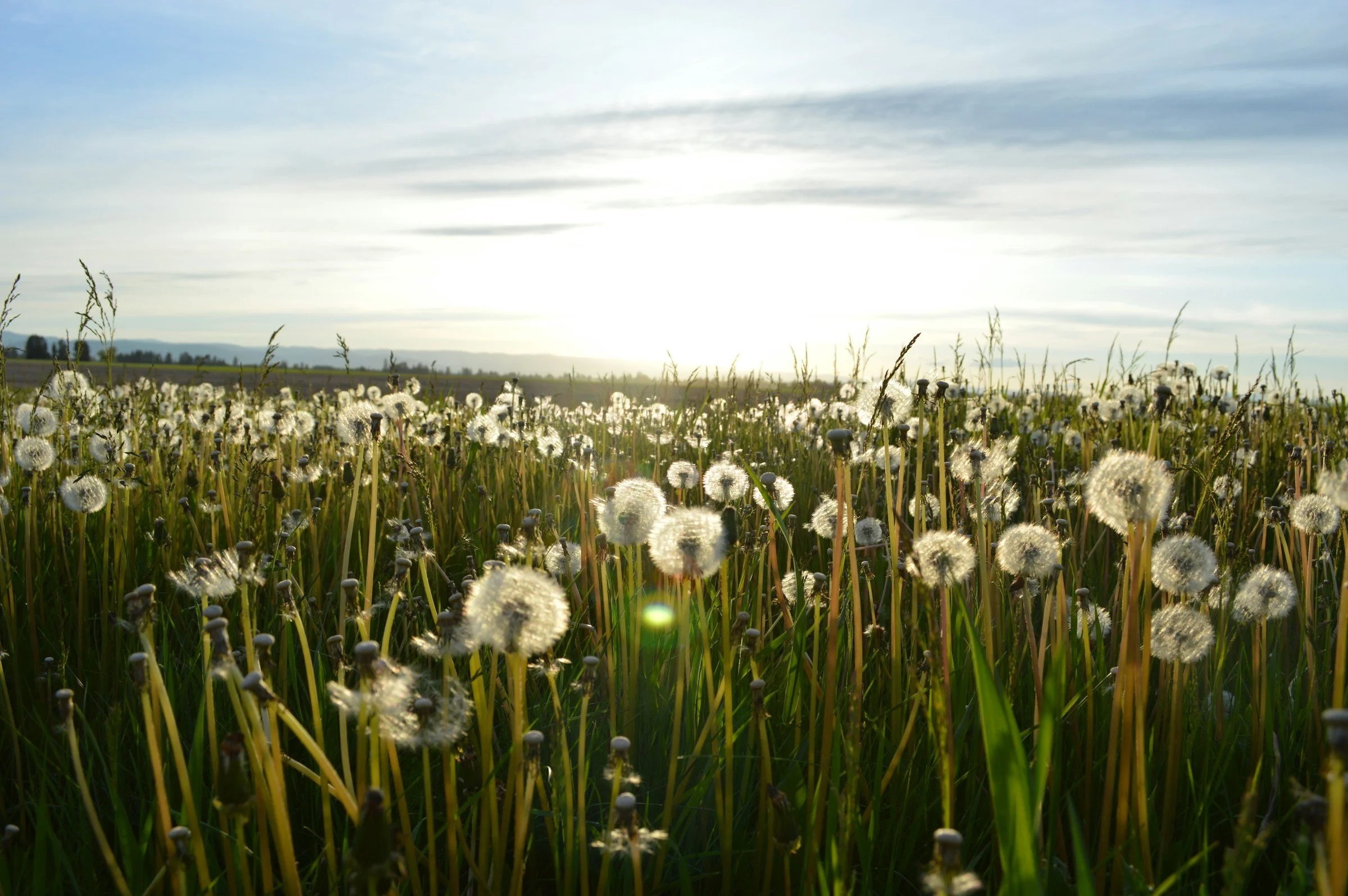
Proper Weeding Best Practices—Effective Weed Control Without Chemical Herbicides
Weeds compete with cultivated plants for nutrients, water, and sunlight, making weed management an essential practice for maintaining garden health.
Understanding Planting Schedules—Applying the Almanac and Hardiness Zones
The ability to accurately plan a planting schedule is one of the most effective tools a gardener can utilize to ensure successful crop growth.
Understanding Planting Schedules—Using the Almanac and Hardiness Zones
Understanding the role of planting calendars, agricultural almanacs, and planting zones allows gardeners to synchronize their efforts with seasonal and climatic patterns, leading to healthier plants and more abundant harvests.
Building Healthy Soil—Advanced Strategies for Long-Term Fertility
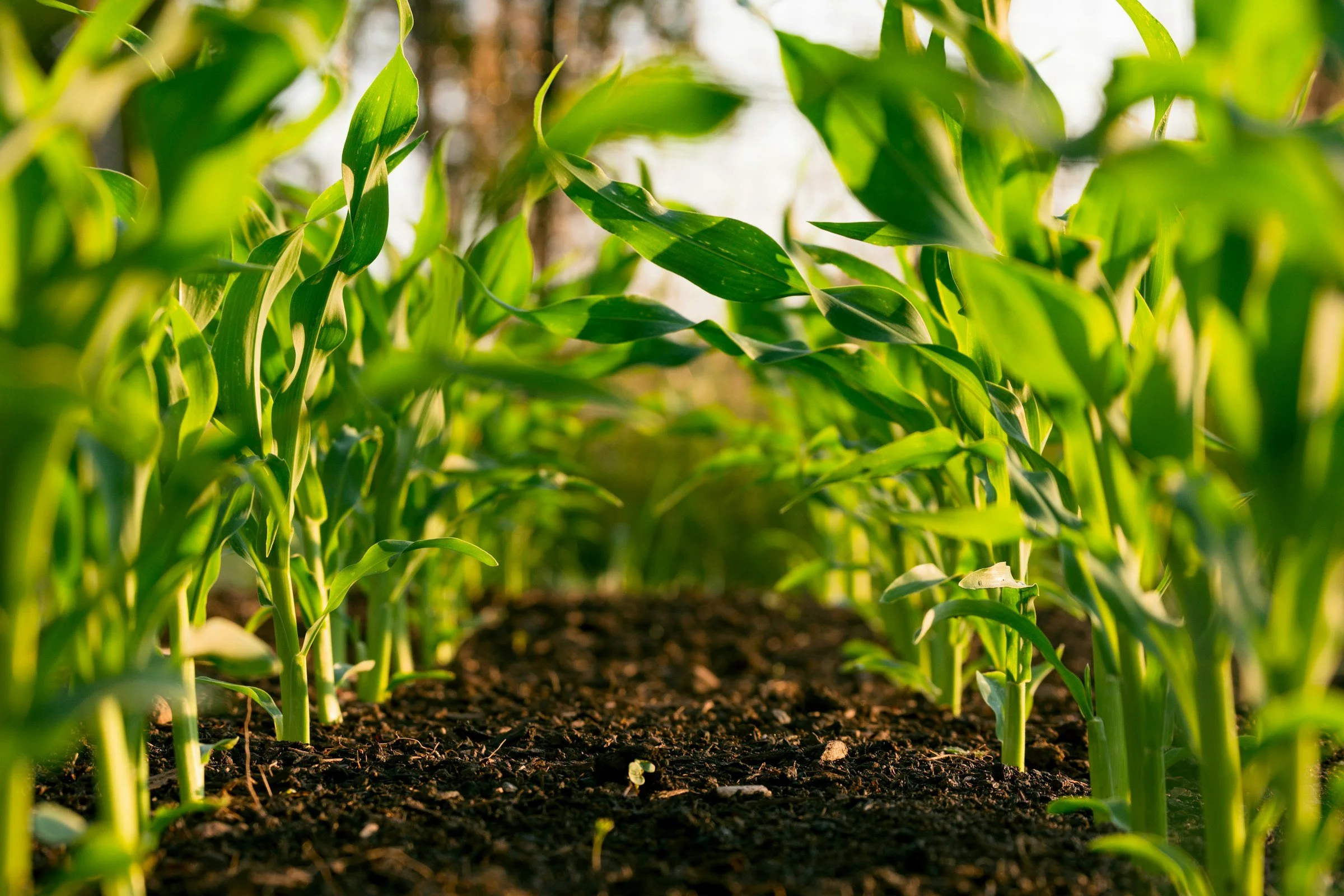
Healthy soil is an ongoing investment that requires careful management beyond basic amendments.
Building Healthy Soil—Essential Practices for Backyard Gardens
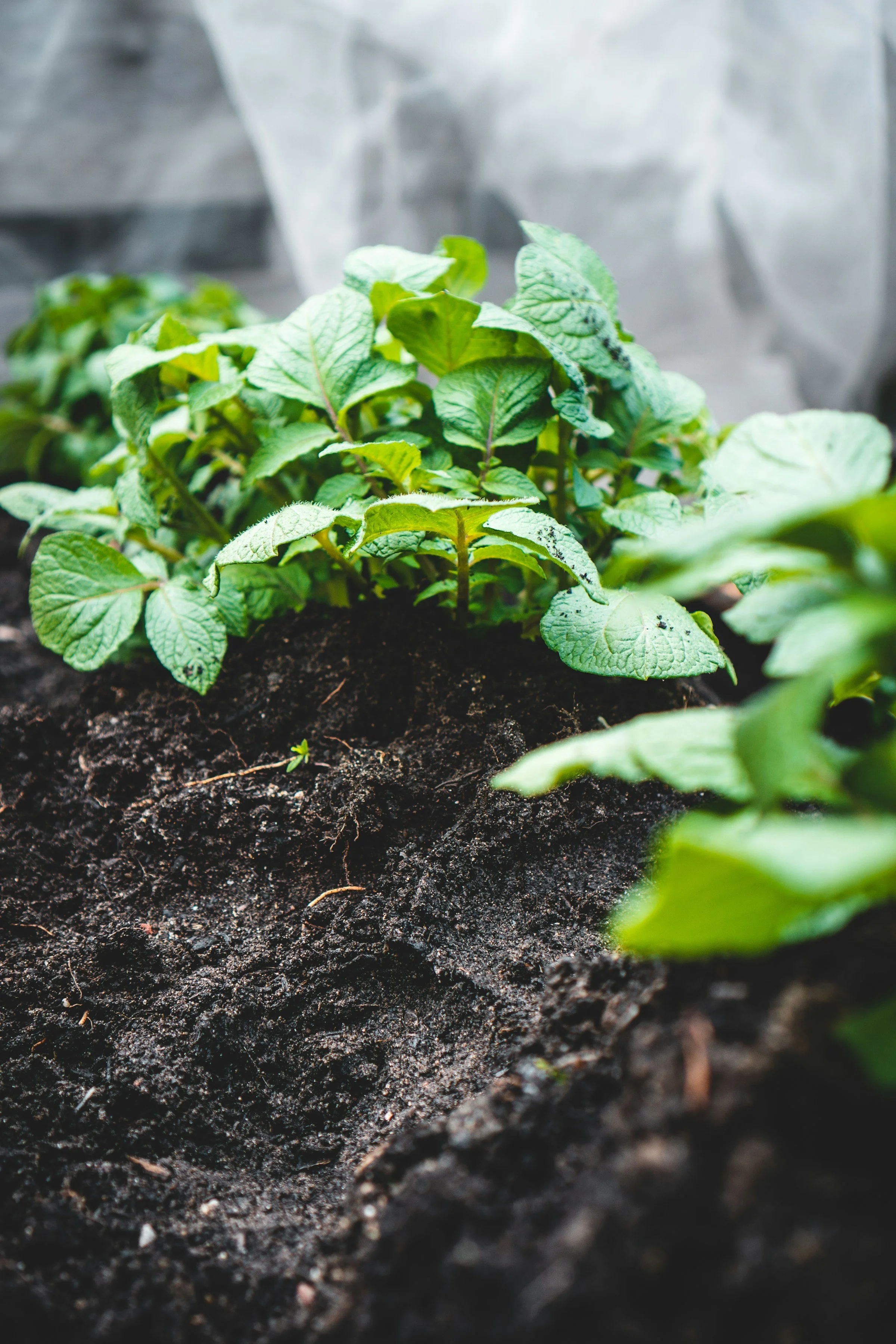
Soil health is the foundation of a productive and sustainable garden. Without nutrient-rich, well-structured soil, plant growth is compromised, leading to reduced yields and increased susceptibility to pests and disease.
Pollinators Part 2: Predator Pollinators—Nature’s Tiny Warriors in Your Garden
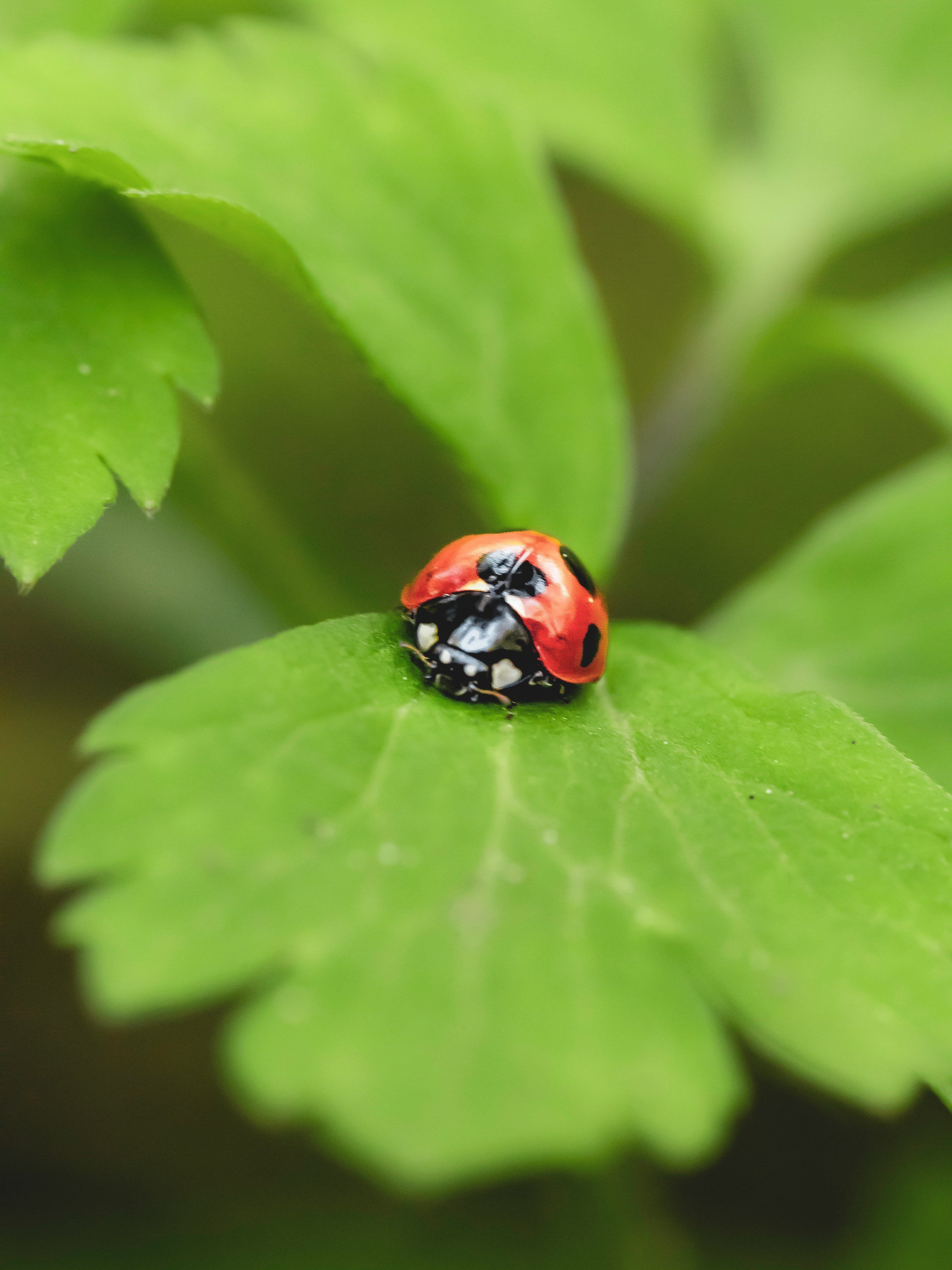
When we think of pollinators, the graceful butterfly or the humble bee often come to mind. But did you know that some pollinators double as fierce garden protectors?
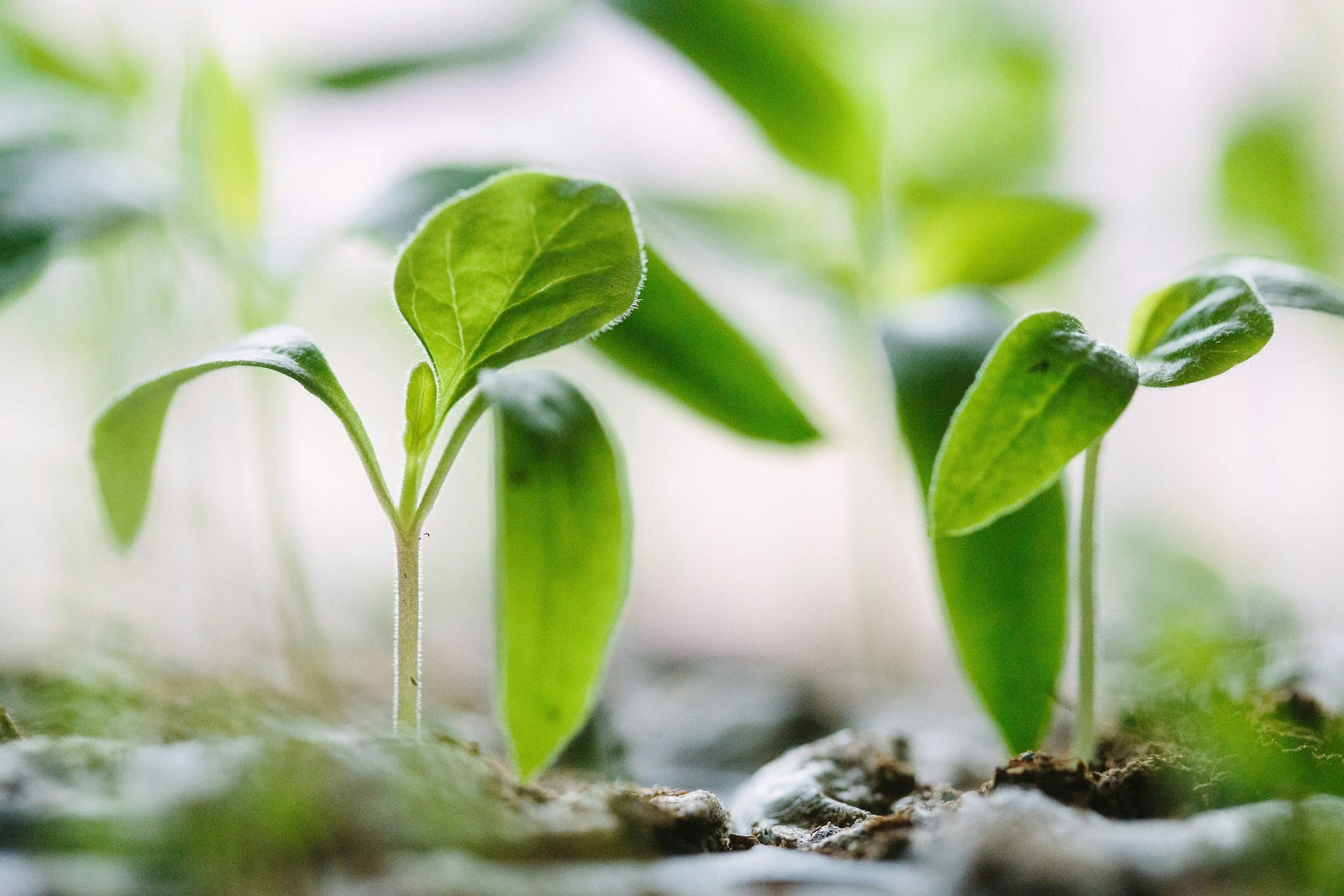
Seed Cultivation Part 2: Saving Seeds and Ensuring Genetic Diversity
Not only is saving seeds a rewarding practice, but it also ensures that your garden remains sustainable, cost-effective, and adaptable to your unique conditions.
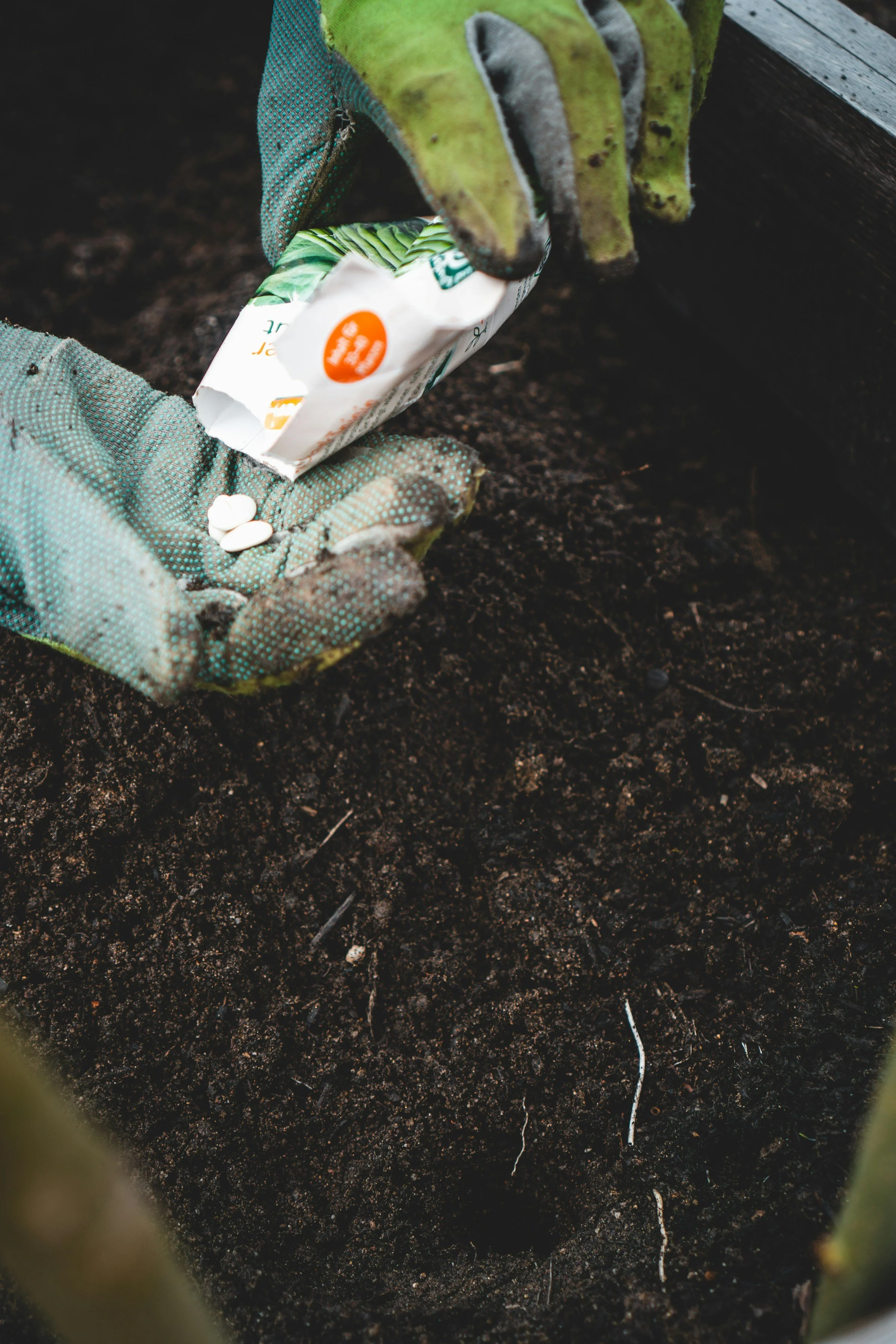
Seed Cultivation Part 1: Selecting and Starting Seeds for a Thriving Garden
Whether you’re growing towering sunflowers, fresh herbs, or juicy tomatoes, it all starts with that small, seemingly insignificant seed.
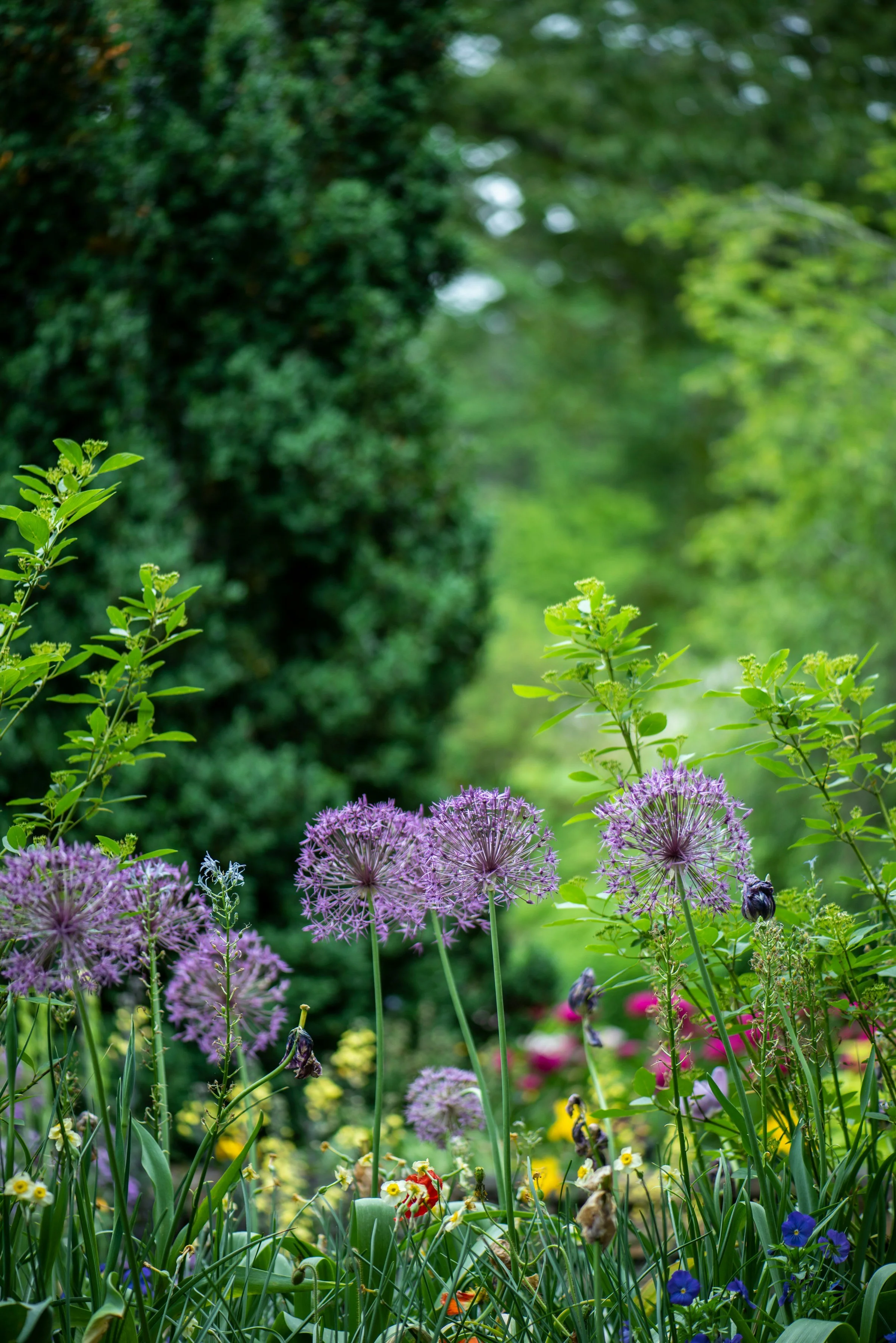
Biodiverse Gardens: Cultivating a Living Symphony in Your Backyard
Biodiversity in a garden isn’t just about beauty; it’s about cultivating balance and resilience. The more diversity we have, the healthier and more productive our gardens can be.